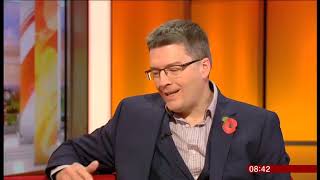
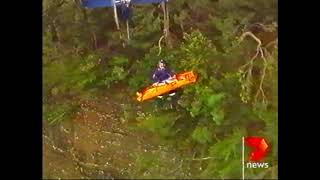
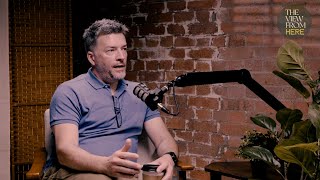
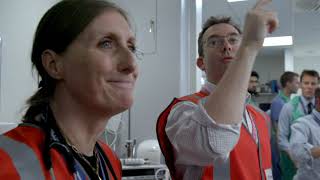
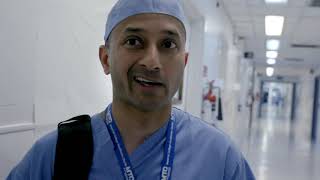
Dr. Morgan McMonagle has spent his career treating the worst injuries humans can sustain. As the surgeon on call during the Westminster Bridge Attack, London Bridge Attack, and Grenfell Tower Fire, he knows what mass casualty events look like. After a fellowship in Philadelphia treating 6–8 gunshot wounds per night, he understands urban violence. Training military trauma surgeons at Queen Elizabeth Hospital, he has seen combat injuries. Helicopter rescues in the Australian outback taught him emergency trauma under impossible conditions.
Then he went to Gaza. He has now completed three missions and is arranging a fourth. What he found did not fit the patterns of three decades: the victims overwhelmingly children, the injuries telling a story of deliberate targeting that his surgical eye could not ignore.
On his second mission Morgan kept a diary. Every day he wrote down what he saw, and he filmed and photographed it — the wards, the patients, the strikes, the nights. Alongside it sit his documents and records. It is a first-person account from inside Gaza's hospitals, made by a man trained to observe injury with forensic precision.
Back in Ireland, Morgan is studying for the bar so that he can give expert testimony on war crimes, crimes against humanity and genocide. The diary is where that testimony begins.
Morgan's Diary is built from that record. Morgan's own words, images and footage carry the film, set against the man reading them back now — a surgeon learning how a wound becomes evidence.
I met Morgan while making Everybody Knows, my feature documentary about global resistance to the Gaza genocide, in which he is a pivotal contributor. While others theorised, he presented forensic evidence — and named what he was seeing with a precision and calm that stopped me. When he handed over his diary material, it was clear this was a film in its own right.
I spent a decade inside Portlaoise Prison making films with republican prisoners — learning never to use the camera to expose a subject, but to work with people until they expose themselves to themselves. Morgan understands this instinctively. He knows what the camera is for. That trust is why Morgan's Diary can go where other films have not.